Operation Acid Gambit
Delta Force rides MH-6 Little Birds into Panama to pull a CIA asset from Modelo Prison
On December 20, 1989, the opening minutes of Operation Just Cause included a mission that had been planned for months: Delta Force operators flying into Panama City on MH-6 Little Birds to rescue Kurt Muse, a CIA asset held in Modelo Prison whom Noriega had ordered executed the moment American forces moved. The rescue took six minutes. The extraction helicopter was shot down in the street. Muse made it home.
By War & Fiction · Editorial standards and corrections
The Asset
Kurt Muse was an American businessman living in Panama City. He was also running a clandestine radio operation against Manuel Noriega's government — pirate broadcasts that disrupted Noriega's communications and spread anti-government messages across the country. The CIA was involved. When Panamanian intelligence caught him in April 1989, Noriega understood exactly what he had.
Muse was held in Modelo Prison, a facility inside Panama City used by Noriega's Dignity Battalions as a political detention centre. He was interrogated, held in isolation, and subjected to sustained psychological pressure. He held. But the intelligence community understood that if American forces moved against Panama — which by autumn 1989 was looking inevitable — Noriega would execute Muse before he could be recovered. The standing order to the PDF guards was explicit: kill the prisoner the moment American forces entered the compound.
Delta Force had been planning the rescue for months. The prison layout was mapped from every available source. Guard rotations were timed. Insertion and extraction routes were war-gamed. The MH-6 Little Bird — the 160th SOAR's small, fast observation helicopter modified for special operations assault — was chosen for the insertion. It could get Delta operators onto or directly adjacent to the target faster than any alternative, and speed was the only thing standing between Kurt Muse and a bullet from his own guards.
The Little Birds Go In
The final execution order came with approximately twenty minutes' notice. Just Cause kicked off at 0100 on December 20, 1989. The Delta assault on Modelo Prison had to hit simultaneously — not before, which risked tipping Noriega, and not after, which might be too late for Muse.
The MH-6s came in fast and low. Delta operators rode the external pods — the Little Bird carries operators strapped to the skids and seats bolted outside the fuselage, which is how it inserts assault teams directly onto targets without needing a landing zone. The assault team hit the prison, moved to Muse's cell, and had him out in approximately six minutes from first contact. He was loaded onto an MH-6 for extraction. The Little Bird is not designed to absorb significant fire.
The extraction helicopter was hit multiple times by ground fire as it lifted off. Chief Warrant Officer Jim Smoot kept it airborne with systems failing under him. The MH-6 came down in a residential street in Panama City. Smoot got it onto the ground — barely. Muse and the Delta operators with him survived the crash. The Rangers, already rolling as part of the broader Just Cause ground operation, reached them within minutes.
Muse was alive. The mission was a success by the only measure that mattered.
SEAL Team 4 at Paitilla — The Other Side of That Night
While Delta was pulling Muse out of Modelo Prison, SEAL Team 4 had their own assignment: Operation Nifty Package — destroy Noriega's personal Learjet at Paitilla Airfield to prevent his escape by air. It did not go as planned. The SEALs encountered a larger PDF force at the airfield than expected. Four SEALs were killed and eight wounded in the firefight — the costliest SEAL engagement since Vietnam. The jet was destroyed, but the cost was severe.
The two missions that night illustrate something about Just Cause that tends to get lost in the clean overall success narrative: even a well-planned, well-resourced joint special operations campaign has missions that go wrong. Acid Gambit was executed almost perfectly. Nifty Package was a close-run thing that cost lives. Both outcomes were real.
What Made Acid Gambit Possible
Delta Force had been built for exactly this. Beckwith's founding vision — a permanently constituted unit that trained continuously for hostage rescue, direct action, and counter-terrorism — was validated in six minutes in a Panama City prison. The 160th SOAR existed because Desert One had proved that conventional helicopter crews couldn't execute this kind of mission; their Night Stalkers had trained for years specifically to fly assault profiles like the Modelo approach.
The JSOC command structure meant Delta and the 160th had trained together, planned together, and had built the institutional trust that only comes from years of shared operations. When Smoot's Little Bird started taking fire and losing systems, the contingencies were known and the Rangers were already moving. The crash landing was survivable in part because of how the 160th drills their pilots to put a damaged aircraft on the ground rather than let it come apart in the air.
The Scale of Just Cause
Acid Gambit was one of approximately forty special operations missions executed in the opening hours of Just Cause. Delta Force also assaulted the Comandancia — Noriega's headquarters complex. Rangers parachuted onto Rio Hato airfield in one of the largest combat jumps since World War II. The 160th flew throughout, inserting and extracting forces across the country in darkness.
Just Cause was the first major combat validation of the post-Eagle Claw JSOC architecture. The services provided forces that had trained under a unified command. The intelligence fusion worked. The aviation was organic. The result was an operation that achieved all of its primary objectives in the first seventy-two hours — including the one that required flying a small helicopter into a defended prison compound while a man in a cell waited for the sound of rotors.
Kurt Muse
Muse's account — Six Minutes to Freedom, co-authored with John Gilstrap — takes its title from the clock running from the moment Delta hit the prison to the moment Muse was airborne. Six minutes. During his months of imprisonment he held onto the belief, without certainty, that someone would come. He didn't know who. He didn't know when. He held.
He was right. They came in the dark, on helicopters the size of a car, and they were there and gone before the PDF had fully understood what had happened.
READ NEXT — BOOKS ON THIS OPERATION
Amazon and Audible links are provided for convenience; we do not earn commissions from these purchases.
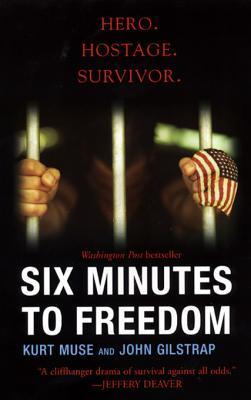
Six Minutes to Freedom
Kurt Muse & John Gilstrap
Kurt Muse's own account of his imprisonment and rescue — the most complete picture of what the assault looked and felt like from inside the prison. The title is the clock from first breach to extraction.
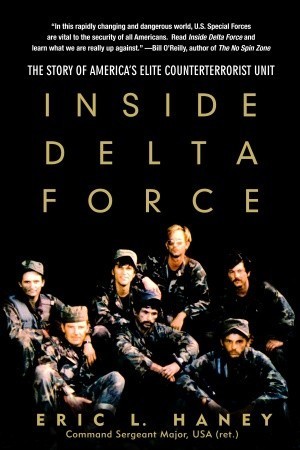
Inside Delta Force
Eric L. Haney
Haney covers Just Cause from Delta's perspective — Acid Gambit was the unit's signature mission of the invasion, and the MH-6 Little Bird assault method was quintessentially Delta.
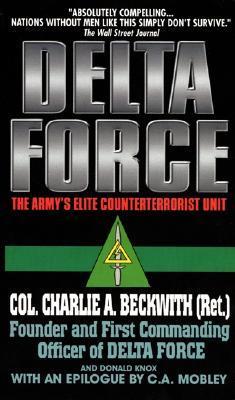
Delta Force
Charles 'Charlie' Beckwith
Beckwith built the unit that executed Acid Gambit. His account of Delta's founding explains the doctrine — speed, surprise, violence of action — that made a six-minute prison assault possible.
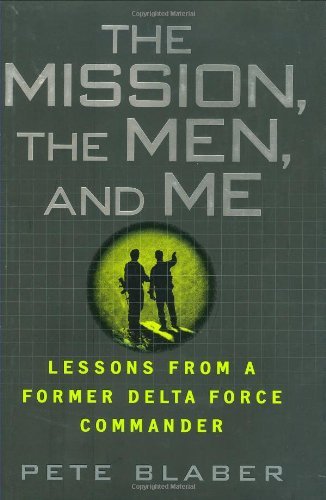
The Mission, The Men, and Me
Pete Blaber
Blaber's Delta Force memoir covers the institutional culture and command philosophy that Just Cause validated — the JSOC model working exactly as intended.