Spot Whiskey and the Colors of Red Rising
Green, Yellow, Blue, Gold, and the Irish whiskey history that reads strangely well beside Pierce Brown's color-coded empire.
Spot Whiskey gives War & Fiction a perfect lifestyle crossover: a real Irish whiskey story built around color, age, craft, and scarcity, paired with Red Rising's brutal color-coded society.
By War & Fiction · Editorial standards and corrections
The Spot whiskeys were made for a War & Fiction article. Not because Irish whiskey needs a gimmick, and not because every bottle on the shelf needs to be forced into a book pairing. This one actually fits.
Mitchell & Son, the Dublin wine merchant behind the Spot line, used colored marks on whiskey casks to identify how long the barrels were intended to mature. Blue meant seven years. Green meant ten. Yellow meant twelve. Red meant fifteen. That is the practical origin of the name: a daub of paint on a cask in a merchant's warehouse.
Then Pierce Brown went and built one of modern science fiction's best series around a color-coded civilization. Reds mine under Mars. Golds rule. Blues pilot and calculate. Greens build the systems. Yellows heal. The overlap is too good to ignore.
And yes, as an Irishman, I know where my loyalties are supposed to land. I should be Team Red on principle. Darrow is a Red. Red Spot is sitting there like the obvious flag to wave. But after drinking Gold Spot, I have to admit the betrayal: I am Team Gold all the way.
The pour and the book
This is not a tasting-room ranking. It is a reading guide. The question is simpler: if you are opening a Spot whiskey and reading Red Rising, which bottle belongs with which mood?
Green Spot with Red Rising. Green Spot is the entry point for most people. That makes it the right pour for the first book. Red Rising starts rough and fast: Darrow in the mines, the lie about Mars, the surgical transformation, the Institute. It has the energy of a first bottle that turns out to be much better than expected. Green Spot is approachable without being thin. Red Rising is accessible without being small.
Yellow Spot with Golden Son. Yellow Spot has more age and more weight. Golden Son does too. This is the book where the series stops being a brutal school story and becomes a political war story. Alliances harden. Families become weapons. Darrow learns that beating the Golds at their own game means becoming frighteningly good at the game. Yellow Spot fits that shift: richer, slower, more deliberate.
Blue Spot with Dark Age. Blue Spot is the cask-strength member of the family, and Dark Age is the cask-strength Red Rising book. It is heavier, nastier, and less interested in giving the reader a comfortable exit. If you want a soft night in the chair, pick something else. If you want the bottle and the book to hit hard, this is the pairing.
Gold Spot with Iron Gold. Gold Spot feels like a special-occasion bottle, and Iron Gold is the series asking what special occasions cost. The revolution has consequences. The heroes are older. The world is wider and less obedient to Darrow's myth. Gold Spot has the right mood for that: rare, polished, a little harder to get, and tied to legacy rather than first discovery. This is the bottle that ruins the neat argument. You can respect the Reds, root for Darrow, and still pour the Gold.
What about Red Spot?
You almost have to mention Red Spot because Darrow is a Red before he is anything else. Red Spot, historically tied to the fifteen-year mark, would be the obvious symbolic bottle for the full saga rather than one book. Pour it when you want the whole shape of the story in the glass: the mine, the mask, the empire, the rebellion, the cost.
But this is also where the article gets personal. Red Spot may be the honest literary answer. Gold Spot is the bottle I would actually reach for. That tension is half the fun of the pairing.
Why this works for War & Fiction
The best lifestyle pieces on this site should send the reader back to the books. That is the whole point. The whiskey is the doorway, not the destination.
Spot Whiskey gives us history: Dublin wine merchants, bonded whiskey, painted casks, age statements, bottles that disappear from shelves. Red Rising gives us myth: color as destiny, color as prison, color as weapon. Put them together and the article practically writes itself. A real-world color system used to organize whiskey meets a fictional color system used to organize an empire.
That is the War & Fiction lane: a bottle with a story, a book with teeth, and a reading ritual that makes both better.
READ NEXT — BOOKS ON THIS OPERATION
Affiliate links — as an Amazon Associate we earn from qualifying purchases.
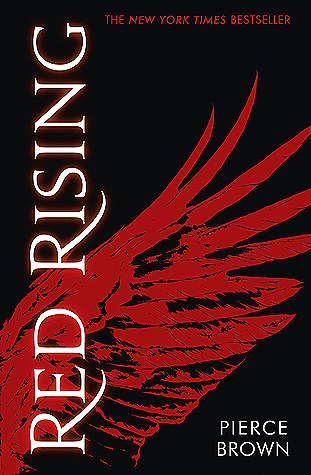
Red Rising
Pierce Brown
Pair this with Green Spot. It is the right entry point: bright, direct, dangerous underneath, and built around a Red trying to pass through a world ruled by Gold.
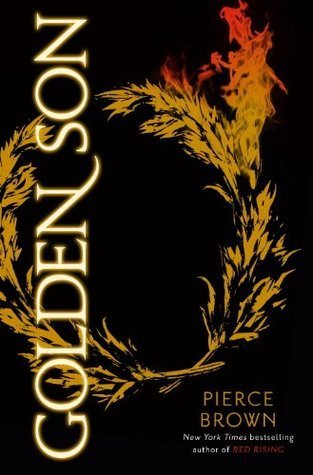
Golden Son
Pierce Brown
Pair this with Yellow Spot. Golden Son is richer, more political, more layered, and more dangerous than the first book. Yellow Spot has the same middle-book confidence.
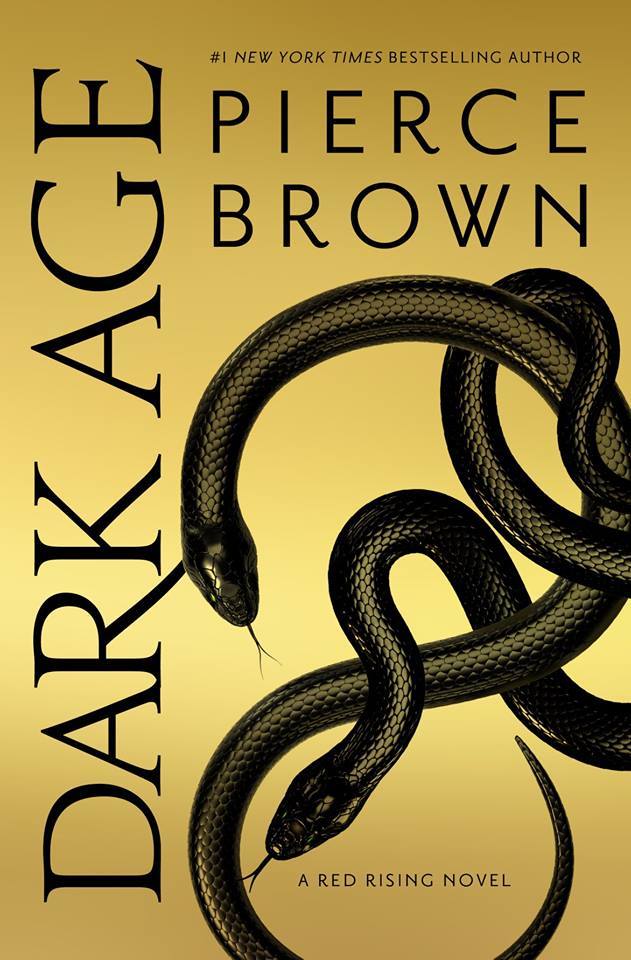
Dark Age
Pierce Brown
Pair this with Blue Spot. Cask strength, harder edges, no soft landing. Dark Age is the bottle you do not pour casually and the book you do not read lightly.
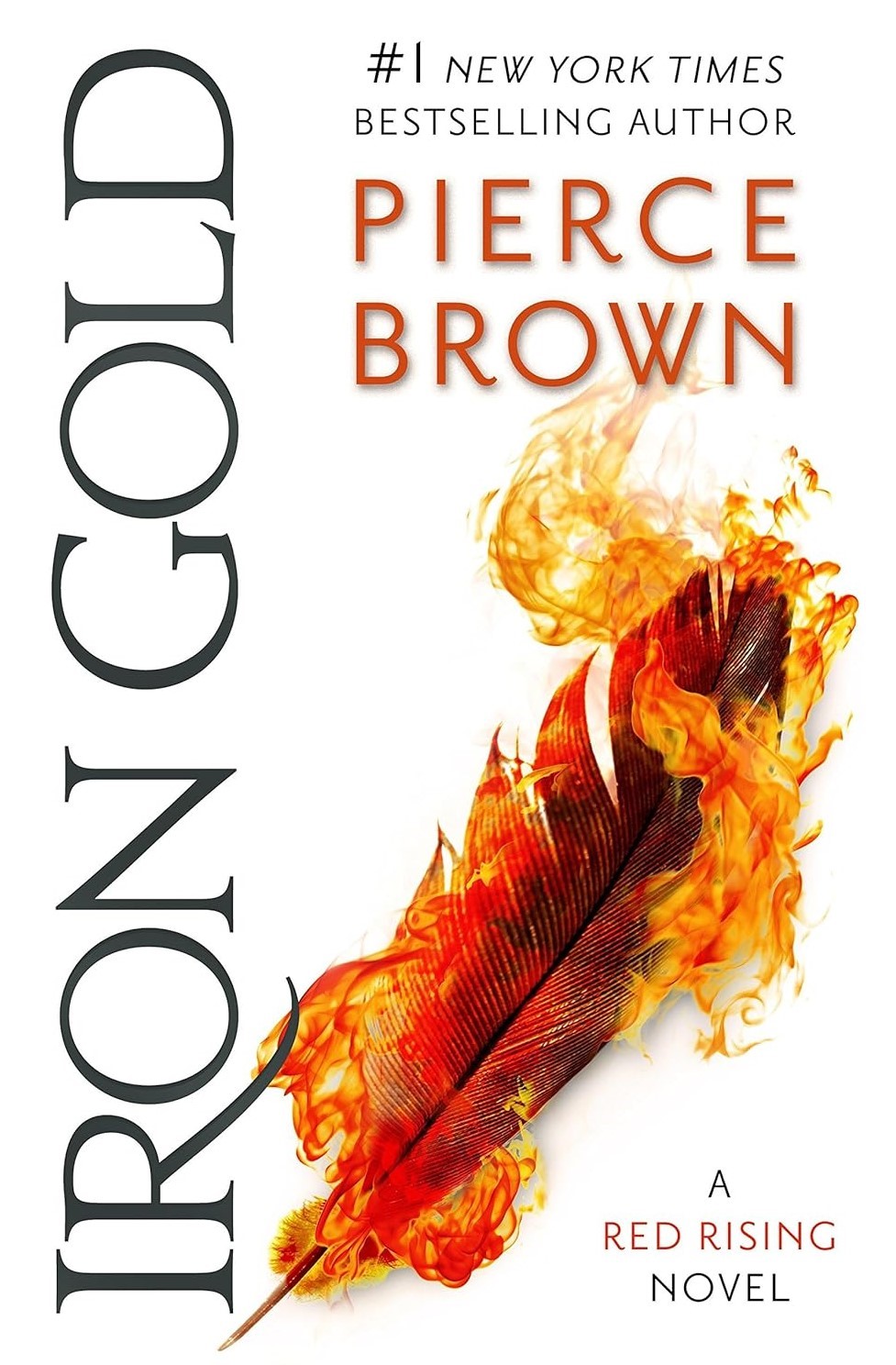
Iron Gold
Pierce Brown
Pair this with Gold Spot if you can find it. Iron Gold is about inheritance, fracture, and what happens after victory. Gold Spot has the collector energy to match.