Reporting checked September 13, 2026.
Donald Trump’s visit to Ireland has brought the constitutional question into the headlines. Speaking in Dublin during a meeting with Taoiseach Micheál Martin, on a visit that included the Irish Open, the US president described a unified Ireland as “fantastic.” The remarks were made at the political meeting, rather than on the golf course. Associated Press
The comments raise questions that extend beyond the response of any visiting president. Who can decide Northern Ireland’s constitutional future? What would people be voting for? How would identities and rights be protected? And what can the history of political violence tell us about those questions without treating another conflict as inevitable?
What the existing agreement provides
The Belfast/Good Friday Agreement places consent at the centre of Northern Ireland’s constitutional status. It provides for a united Ireland through consent freely and concurrently given North and South, subject to the agreement of a majority in Northern Ireland. It also recognises the right of the people of Northern Ireland to identify as British, Irish or both, and to hold British and Irish citizenship; that entitlement would not be affected by a future change in constitutional status. Agreement text, Northern Ireland Assembly
A US president’s preference does not substitute for that process. Nor does the agreement settle every institutional or practical detail of a possible united Ireland. The UCL Working Group on Unification Referendums examined the procedures, sequencing and preparations involved, highlighting the importance of clarity about what would follow a vote. Its work supplies a procedural reference rather than a prediction of the result. UCL research
Would unification lead to sectarian violence?
The sources reviewed here do not establish that it would, and they cannot support a numerical forecast. The existence of past violence is not evidence that every future constitutional change must reproduce it. Equally, a legal process alone does not answer every question about security, public confidence or implementation.
An examination of a proposed settlement would need to distinguish its legal authority from its practical arrangements: policing, political representation, identity protections, public services and the institutions responsible for resolving disputes. The UCL work is useful for understanding why the design and explanation of a referendum process are separate questions from whether somebody supports unity. UCL Working Group
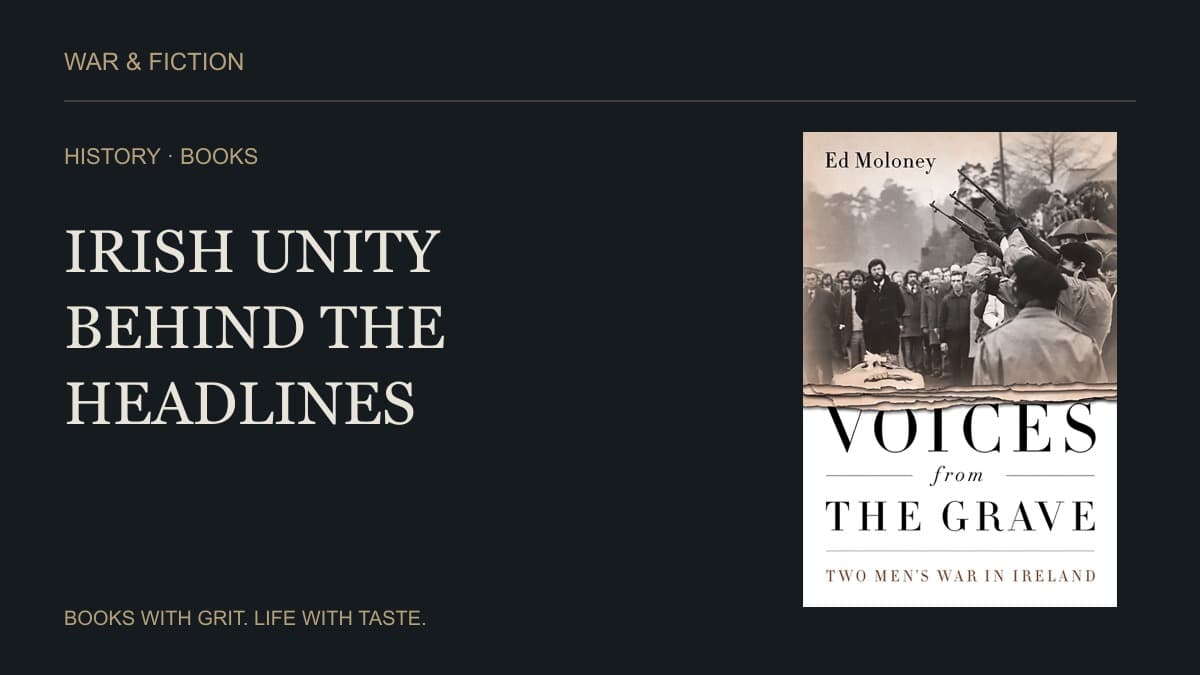
For historical context, Voices from the Grave by Ed Moloney brings together accounts from Brendan Hughes, a senior republican participant, and David Ervine, a former loyalist paramilitary who became a political leader. The book draws on interviews conducted through Boston College’s oral-history project. These are two individual perspectives shaped by participation in the conflict, not a representative survey of nationalist and unionist opinion. Book and publisher information
That distinction also matters when discussing collusion. Support for the Union is a constitutional position. It should not be used as a synonym for participation in loyalist paramilitary violence.
What has been established about collusion?
Some findings are documented in official investigations. The 2012 de Silva review of solicitor Patrick Finucane’s murder described actions by state employees that facilitated the killing, as well as subsequent obstruction of justice. The government’s published summary identifies the passing of information, failures to act on threat intelligence and the involvement of state agents. These are findings about specific conduct and institutional failures; they do not establish collective responsibility among unionists or validate every separate allegation. Patrick Finucane Review
Anne Cadwallader’s Lethal Allies: British Collusion in Ireland examines the Glenanne killings and allegations and evidence of links involving loyalist perpetrators and members of the security forces. It offers an investigative route into the subject. Particular claims should be read alongside the records and investigation findings relevant to each case. Buy the book / publisher
Margaret Urwin’s A State in Denial: British Collaboration with Loyalist Paramilitaries examines relationships between the British state and loyalist organisations through official documents, focusing on the 1970s and early 1980s. Its scope is institutional and documentary, complementing the personal testimony in Moloney’s book. Buy the book / publisher
These books address different kinds of evidence: participants’ memories, investigative reconstruction and government records. None is a forecast of how a future referendum or constitutional transition would unfold. Together with the agreement and official investigations, they provide sources for examining the questions raised by the news: consent, identity, accountability and confidence in institutions.